Professor Sir Patrick Vernon OBE FRHistS
Social Commentator, campaigner and cultural historian
Black Current: Sir Patrick Vernon Condemns Removal of Caribbean Heritage Memorial at Portchester Castle

Sir Patrick Vernon Condemns Removal of Caribbean Heritage Memorial at Portchester Castle
The removal of a memorial plaque commemorating 2,500 African Caribbean prisoners of war from Portchester Castle in Hampshire has sparked widespread condemnation, with Sir Patrick Vernon OBE calling for an urgent investigation and stronger protection of Black heritage.
The plaque, unveiled on 9 October 2026, honoured the men, women and children brought to Britain in 1796 after British forces took control of St Lucia, St Vincent and the Grenadines, and Grenada. More than 2,000 were subsequently held at Portchester Castle, where many endured imprisonment and died.
Just five days after its unveiling, the plaque was discovered missing on 14 October. English Heritage reported the incident to the police.
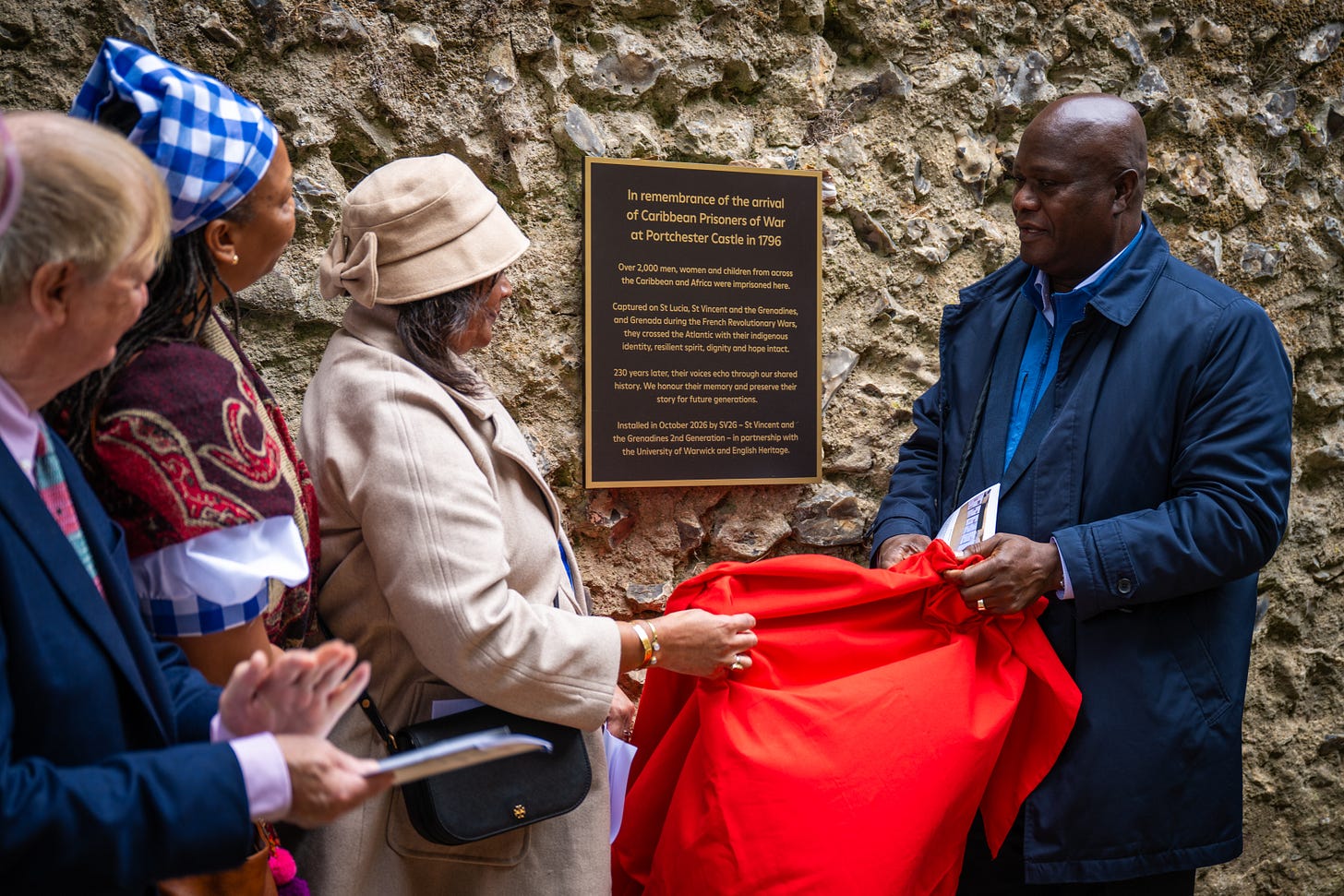
Sir Patrick Vernon, who attended the unveiling, described the removal as outrageous and raised concerns that it could be another racially motivated attack on Black British heritage.
He highlighted previous incidents involving the vandalism and destruction of Black memorials, including tributes to Stephen Lawrence, the African and Caribbean War Memorial in Brixton and Windrush heritage displays.
Sir Patrick warned that the destruction of Black heritage goes beyond physical damage to monuments, describing it as another form of community trauma that reinforces the impact of racism, discrimination and exclusion.
The memorial was commissioned by Caribbean arts and heritage organisation St Vincent and the Grenadines 2nd Generation, with funding from the University of Warwick. Its creation followed years of research involving Caribbean communities, the university and English Heritage to recover the identities and experiences of those imprisoned.
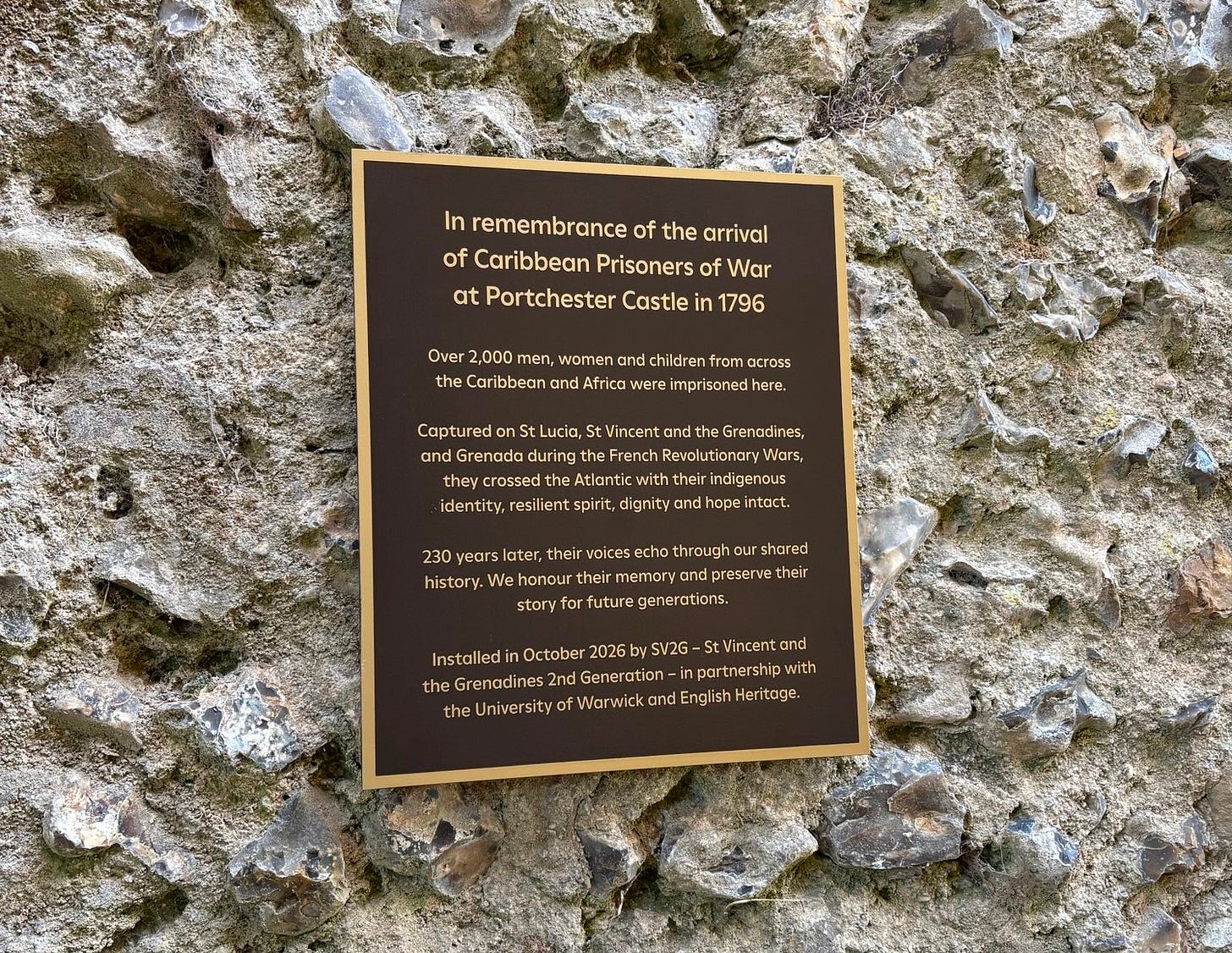 Dr Jacqueline Roberts, Chief Executive of SV2G, also condemned the removal, emphasising that the incident was an attack on collective memory and the recognition of Caribbean ancestors.
Sir Patrick has called for the plaque to be restored and for stronger measures to protect Black heritage and historical memorials.
As investigations continue, the incident raises wider questions about how Black British history is recognised, protected and preserved. For the communities connected to this history, safeguarding these memorials is not simply about protecting monuments, but ensuring that the lives and experiences of their ancestors are never forgotten.